
ABOUT ME
I am an M.Sc. student in Data Science & Machine Learning (DSML) at the National University of Singapore (NUS), with a Bachelor's degree in Physics from Nanjing University (NJU).
I became deeply fascinated by Large Language Models the moment I first used them, which served as the primary catalyst for my transition into AI. Starting in the second semester of my sophomore year, I began to dive into computer science fundamentals, machine learning and deep learning.
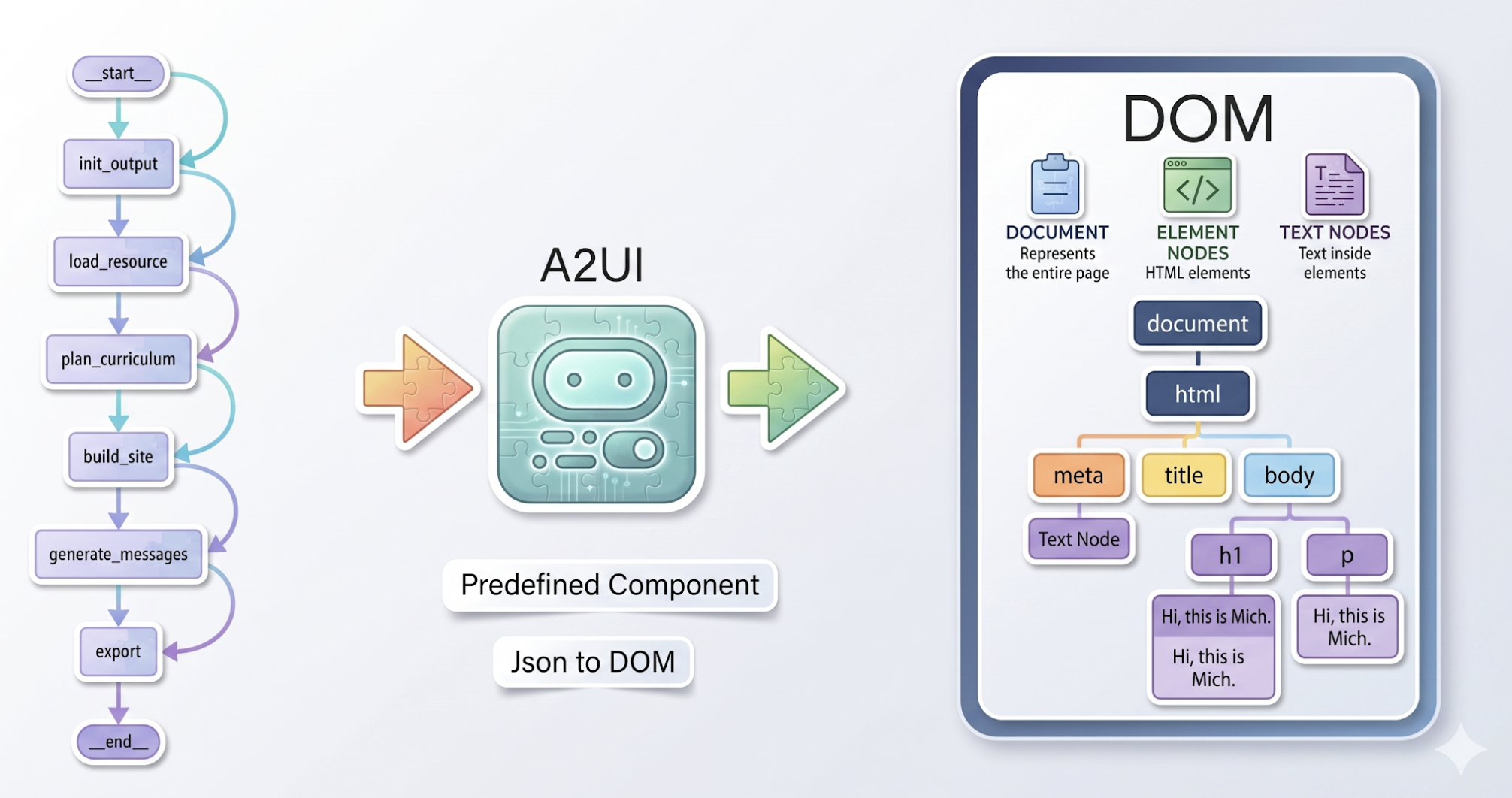
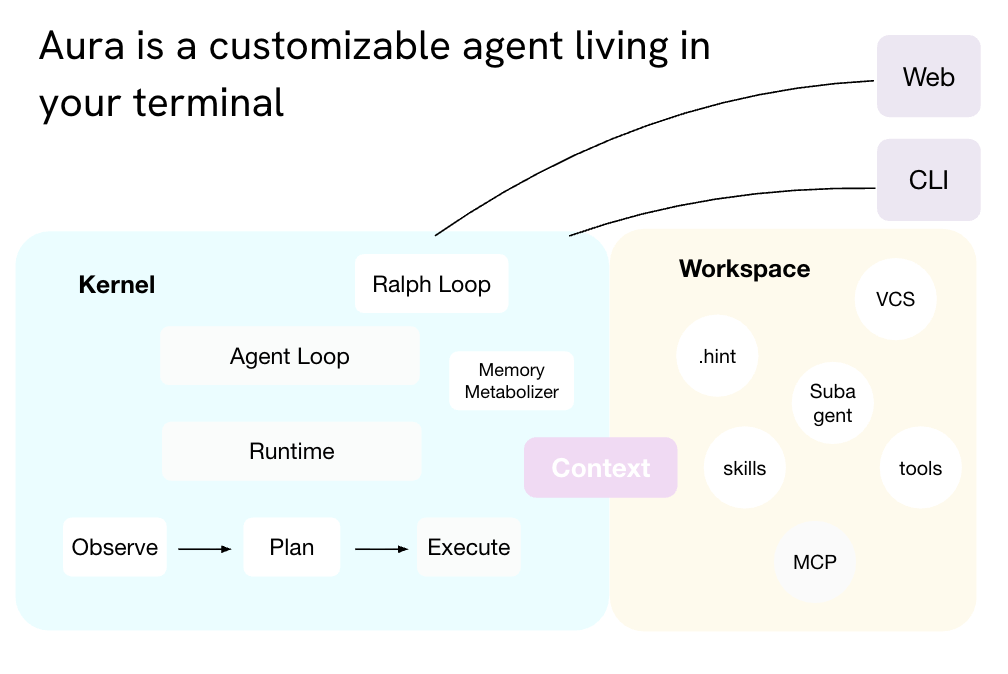
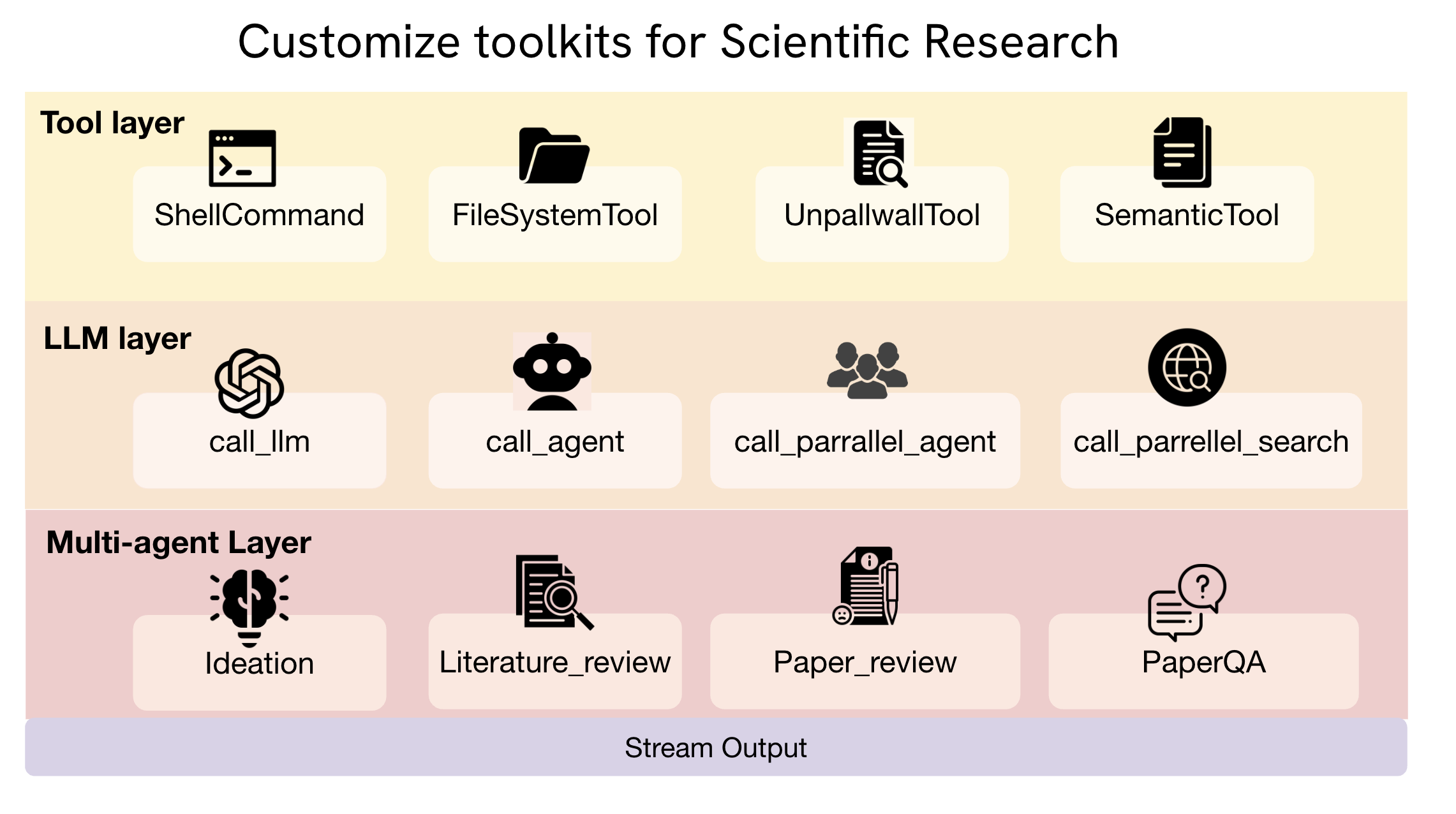
As LLM capabilities matured to power real-world applications, I pivoted my focus toward AI agents. My exploration centers on two key directions: whether AI agents can autonomously generate innovative results over long horizons toward an 'AI Scientist' — see LLM Agent Hub & Aura — and how AI and humans interact in collaborative, creative workflows — see A2Learn.
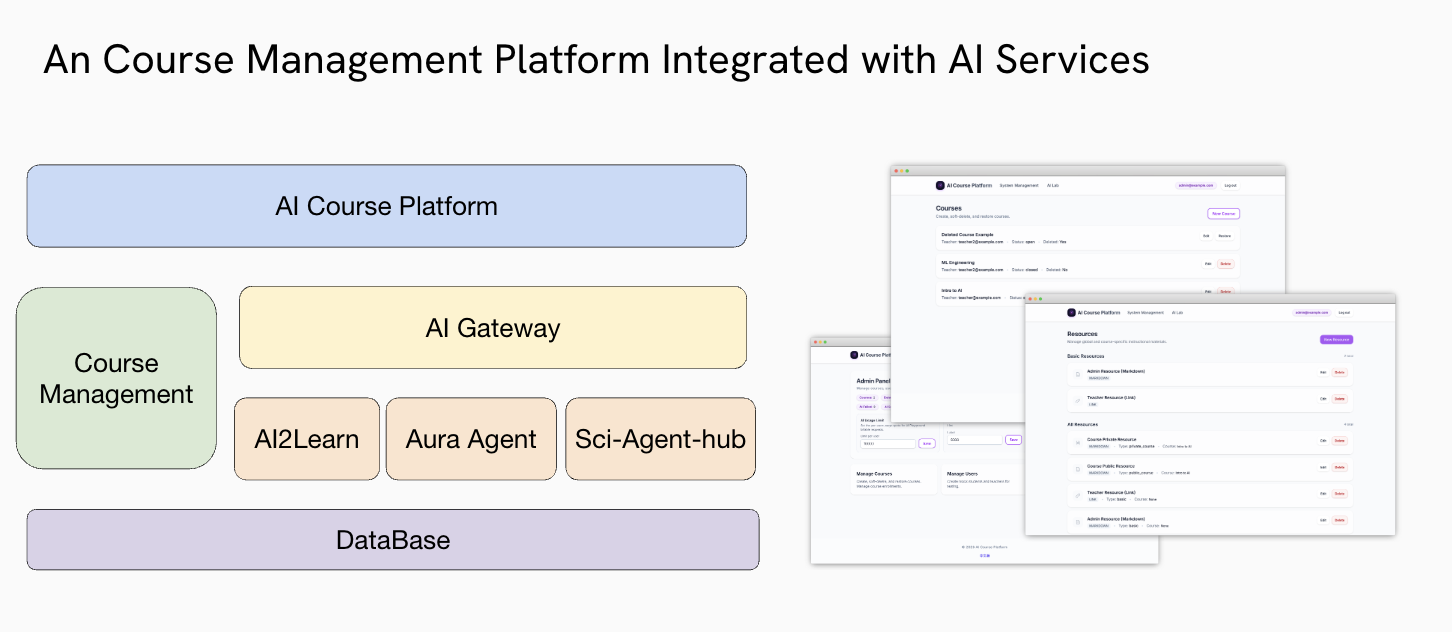
Along the way, I also developed full-stack web development skills in Ruby on Rails and Node.js to build and deploy AI applications — see AI Course Platform.
SKILLS



PROJECTS
-
-
Aura
-
-
LLM Agent Hub
TALKS & BLOG
Undergraduate Thesis Defense
Nanjing University · 2026
My undergrad thesis defense at the Department of Physics, NJU.
Preview slides
NOW
- 🎓 Studying Data Science & Machine Learning at NUS
- 🔬 Exploring autonomous research agents and AI Scientist systems
- 🧠 Building agentic systems for long-horizon reasoning and human-AI collaboration
- 🏸 Looking for good badminton games in Singapore
THOUGHTS
There is a universal pattern to learning new concepts effortlessly and painlessly: the Problem-Driven Method.
The reason acquiring new knowledge is often so painful is that we are confronted with unfamiliar terms, whereas humans naturally crave familiarity. Therefore, the core of any effective learning method is building scaffolding toward new knowledge.
At their core, almost all learning methods aim to lighten cognitive load. They generally fall into two categories: the analogical method and the central route method (sometimes referred to as thinking from first principles, though as I’ll demonstrate, they are not quite the same).
The analogical method provides an intuitive mental model of new concepts. For example, we often explain electricity as water flowing through pipes. However, when you dive into specific mechanics and ask deeper “why” questions, analogies begin to break down. The analogical method operates above the abstraction layer—it grants immediate familiarity with high-level ideas, but hides underlying details. In these scenarios, we need to switch to the central route method.
The central route method, meanwhile, reconstructs how knowledge was originally created. It starts by examining why a concept became necessary in the first place, effectively re-tracing the footsteps of its discoverers. However, a brief study session cannot absorb centuries of historical effort. We inevitably need to filter out secondary details—and that is precisely where the analogical method excels.
The Problem-Driven Method bridges the analogical and central route approaches, fundamentally aiming to minimize cognitive load. It consists of five key steps:
- Uncover the “Why”: Ask, Why is this knowledge required in the first place? Every concept exists to overcome a specific obstacle or limitation.
- Establish a High-Level Mental Model: Build a foundational framework for the domain (especially if it is unfamiliar territory).
- Hypothesize a Naive Solution: Attempt your own intuitive approach to resolve the problem. Ask an LLM: “Has anyone tried this approach, and if so, why did it fail or succeed?” If your intuition aligns with historical solutions, congratulate yourself!
- Determine Implementation Strategy: Ask, How can I implement this idea? Imagine yourself as the pioneer turning the concept into reality. (You don’t need to rebuild everything from scratch—this is where abstractions and analogies save effort.)
- Iterate on What’s Next: Ask, What is the next bottleneck? As you implement the solution, new challenges will arise. You can even prompt an LLM to surface the next logical problem.
The flywheel is a fascinating framework for driving incredible breakthroughs. We see it in DL & RL (dataset → model → evaluation → update), in Lean Startup (build → measure → learn), and even in Popper’s philosophy of science (hypothesis → prediction → explanation → new hypothesis). For the flywheel of autonomous AI, the bottleneck inevitably lies in evaluation. As we build AI agent systems, we are moving toward ‘expert-in-the-flywheel’—where domain expertise becomes more vital than ever.
CONTACT ME
Always open to interesting conversations, AI Agent collaborations, or a game of badminton!